


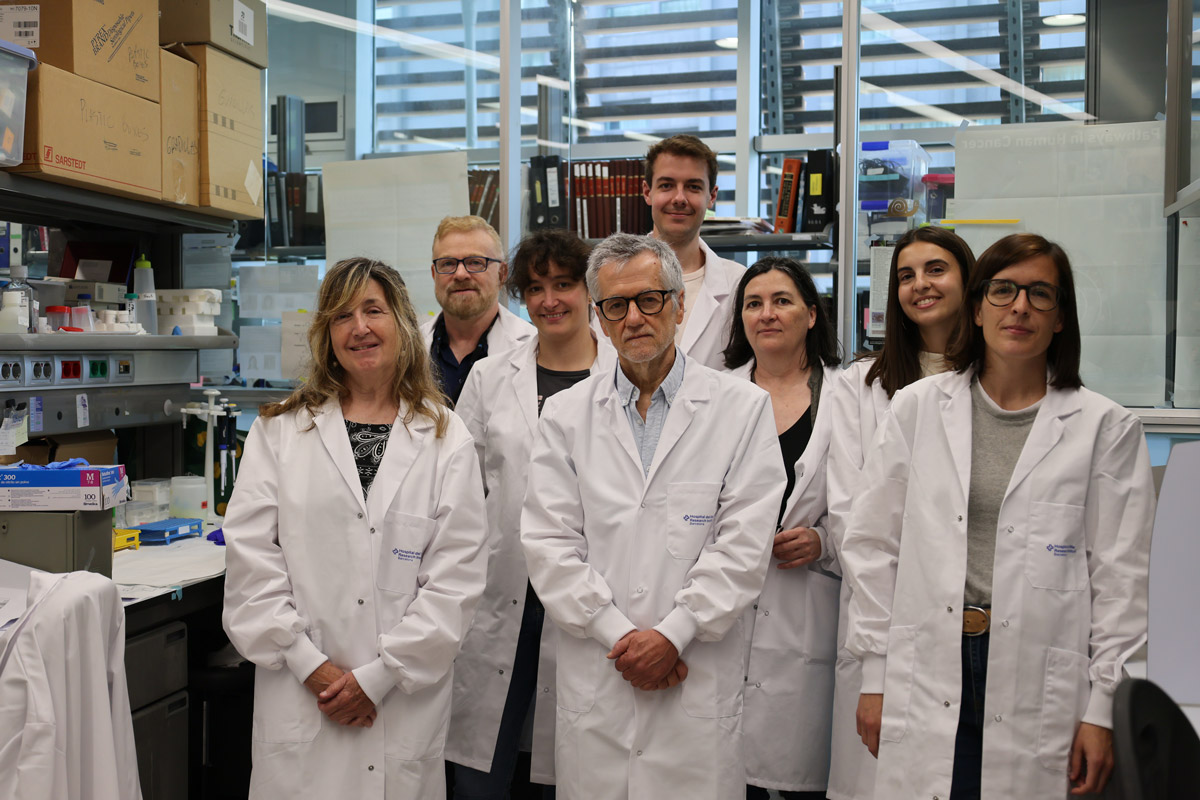
A study led by the Hospital del Mar Research Institute and the IIBB-CSIC has identified a new strategy for treating pancreatic cancer based on inhibiting the PARP2 protein. The results, published in Science Advances, show in animal models that blocking this protein allows for a two-pronged attack on the tumor: causing cancer cells to die and facilitating the immune system’s response.
The study shows that genetic inhibition of PARP2 prevents cells from managing replicative stress, triggering their death. At the same time, it helps immune cells access and eliminate the tumor, which is particularly important in this type of cancer, considered a “cold tumor” due to its low immune response.
Furthermore, the results have been validated using patient data, reinforcing the potential of PARP2 as a new therapeutic target. Unlike current treatments targeting the PARP protein family—which are limited to a small subgroup of patients with mutations in genes involved in DNA repair—this strategy could benefit a significantly larger number of patients with pancreatic cancer.
The study paves the way for the development of specific PARP2 inhibitors, with the potential to combine them with existing treatments such as immunotherapy, thereby improving their efficacy and reducing side effects. Furthermore, this approach could be applied to other tumors with similar characteristics.
Reference article: